Dehumidifier vs Heated Airer: Quick Answer
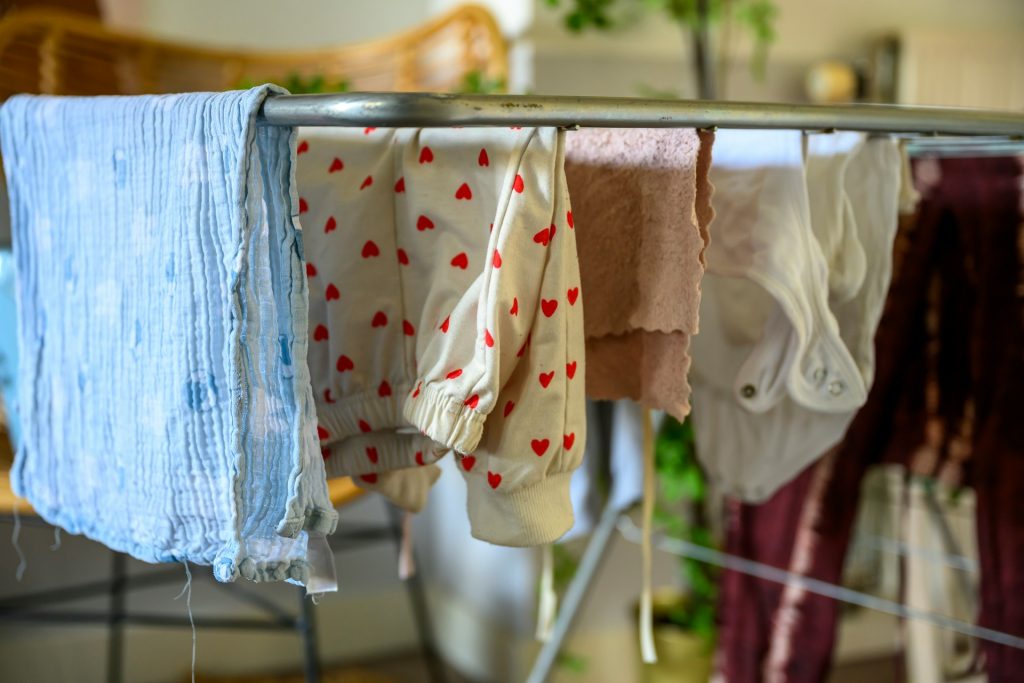
A heated airer warms your clothes directly.
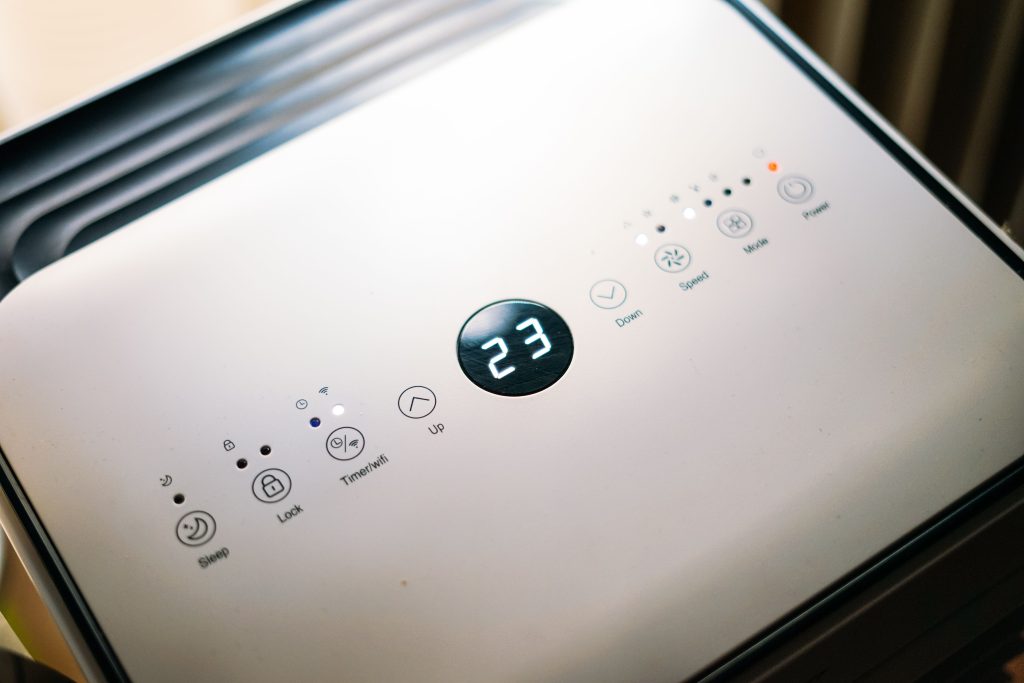
A dehumidifier dries the air around them.
Both can speed up indoor laundry drying, but they solve different problems.
If you simply want an inexpensive way to add warmth to clothes, a heated airer is straightforward.
If you regularly struggle with condensation, damp windows and high humidity as well as wet washing, a dehumidifier offers a major advantage because it actually collects the water released from your laundry.
And in some homes, the best answer is to use both together.
What’s the Difference?
A standard airer uses no electricity at all.
The problem is that evaporation from your clothes increases humidity inside the house.
A heated airer speeds evaporation by warming the fabric.
The water still enters the surrounding air.
A dehumidifier tackles the opposite side of the equation.
It lowers the humidity of the room, encouraging water to evaporate from the clothes, and then collects that moisture in its tank.
Energy Saving Trust advises that indoor drying can increase condensation risk and recommends ventilation; its current advice also identifies heated airers as a lower-cost alternative to tumble drying while noting that a dehumidifier can also be used.
Which Is Cheaper to Run?
It depends on the wattage of the machines you’re comparing.
The formula is:
Power in kW × electricity price per kWh = cost per hour
Using the current average electricity rate of 26.32p/kWh:
Example 200W dehumidifier
0.2kW × 26.32p = 5.26p per hour
Six hours would cost approximately 31.6p.
Example 300W heated airer
0.3kW × 26.32p = 7.90p per hour
Eight hours would cost approximately 63.2p.
These are examples, not universal running costs.
Some heated airers consume less than 300W and some considerably more.
Likewise, dehumidifier consumption varies by model and its compressor will not necessarily run continuously once the target humidity is reached.
Always check the wattage printed on the appliance.
Which Dries Clothes Faster?
A heated airer has an immediate advantage because the clothing touching the heated bars receives direct warmth.
However, large items may dry unevenly where they are not in contact with those bars.
Using a cover can retain heat and improve performance.
A dehumidifier approaches the problem differently.
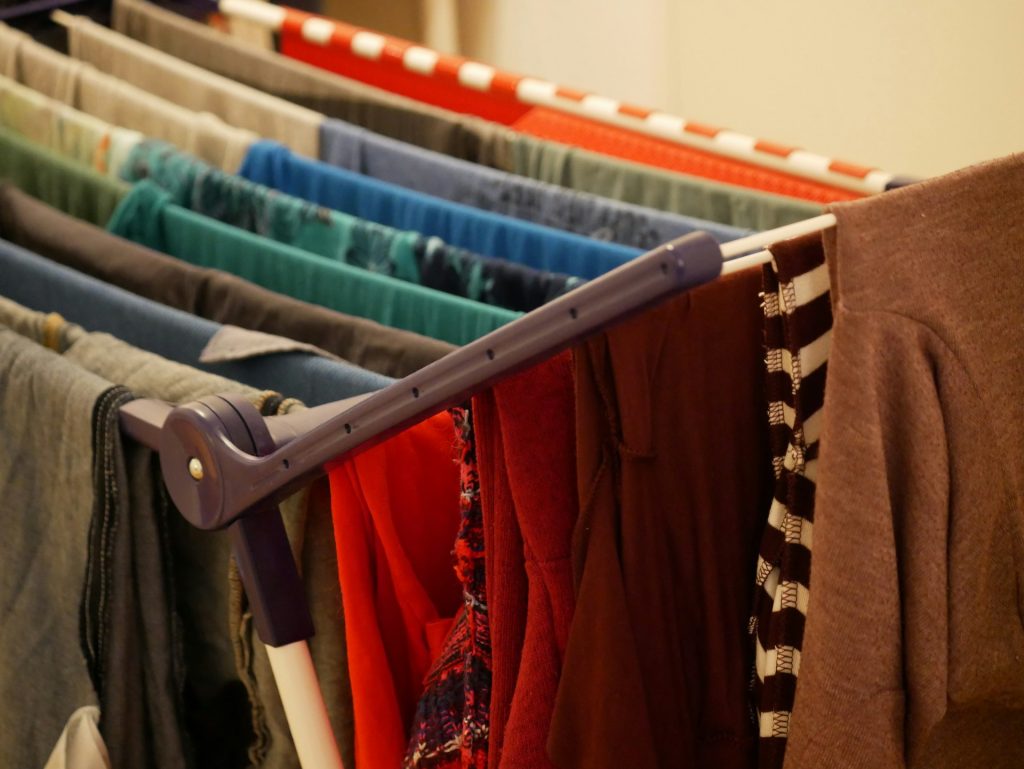
It can dry an entire airer by reducing the humidity and circulating dry air through it.
Strong airflow is particularly useful for:
-
shirts
-
bedding
-
towels
-
children’s clothes
-
large loads spread over several rails
Which is fastest therefore depends on the setup rather than simply the appliance.
What About Condensation?
This is the biggest difference.
A heated airer doesn’t make water disappear.
It accelerates the transfer of water from clothing into the air.
Unless that moisture is ventilated outside or subsequently removed, it remains inside your home.
Government ventilation guidance notes that washing and drying clothes indoors contributes moisture to household air and that inadequate ventilation can allow this to become condensation on colder surfaces.
A dehumidifier physically removes some of that water.
If your windows are already dripping in winter, that can make the dehumidifier considerably more useful than an airer alone.
Can You Use Both Together?
Yes.
A heated airer increases evaporation.
A dehumidifier then removes the additional water vapour.
Used in a small room with good airflow, the combination can be very effective.
The obvious downside is that you’re paying to run both appliances.
For households with a lot of laundry, however, the shorter drying time and reduction in condensation may justify it.
Which Is Better Than a Tumble Dryer?
Neither exactly replaces the convenience of putting wet clothes into a dryer and retrieving them dry.
However, both can be economical alternatives where speed isn’t critical.
Energy Saving Trust recommends line drying where practical and notes that avoiding a tumble dryer can reduce household energy consumption.
A dehumidifier also tends to treat clothing gently because the garments remain hanging rather than being tumbled at temperature.
Which Would We Choose?
Choose a heated airer if:
-
the home is already dry
-
condensation is not a problem
-
you want simple direct heat
-
laundry loads are relatively small
-
purchase price is the priority
Choose a dehumidifier if:
-
windows suffer from condensation
-
the house feels humid
-
you dry washing indoors regularly
-
you also want humidity control outside laundry days
-
you want one appliance to serve several purposes
Use both if:
-
you have a large amount of washing
-
winter drying is particularly slow
-
you want faster drying without a tumble dryer
Bottom Line
There isn’t one universal winner.
A heated airer is a simple, effective tool for warming wet clothes.
A dehumidifier provides a broader solution because it tackles the moisture that indoor drying releases into your home.
For a household already suffering from winter condensation, the dehumidifier would be our first purchase.
For a dry home where you simply want clothes to dry faster, the heated airer becomes much more compelling.