Ad — This article contains paid affiliate links to Meaco and Amazon. We may earn a commission if you buy through them. As an Amazon Associate I earn from qualifying purchases.
If you wipe your windows before you make your first cup of tea, it is time to investigate the moisture in your home.
Condensation forms when moist air meets a sufficiently cold surface. Glass often shows the problem first, but the answer depends on where the water is and what is causing it. Energy Saving Trust explains the causes of damp and condensation.
Start with a few checks before buying anything.
First, check which side of the glass is wet
Water on the room-facing surface points towards indoor moisture meeting cold glass. Moisture between the panes of a sealed double-glazed unit needs a glazing assessment; a dehumidifier cannot repair the unit. External condensation can occur on efficient glazing, so do not buy an appliance solely because the outside of a window is wet. The Glass and Glazing Federation explains the different locations.
Look beyond the window. Does the moisture appear after showers? Is washing drying in the bedroom? Does a wall patch become worse after rain? These details help you explain the problem to a landlord or tradesperson if it needs further investigation.
Reduce the moisture you can control
Use the kitchen extractor when cooking and the bathroom extractor when showering. Leave background ventilation working, including open, clear trickle vents. Government guidance explains why ventilation remains important during winter. Read the existing-home ventilation guide.
For a useful starting point, note when the windows get wet for a few days. Record laundry, cooking and showers alongside a room humidity reading. You are looking for a pattern, not a perfect number.
A small digital hygrometer can make that easier. Keep it away from a radiator or a wet window so you are measuring the room more fairly.
Optional tool: Compare digital hygrometers on Amazon UK (paid link)
Where a dehumidifier helps
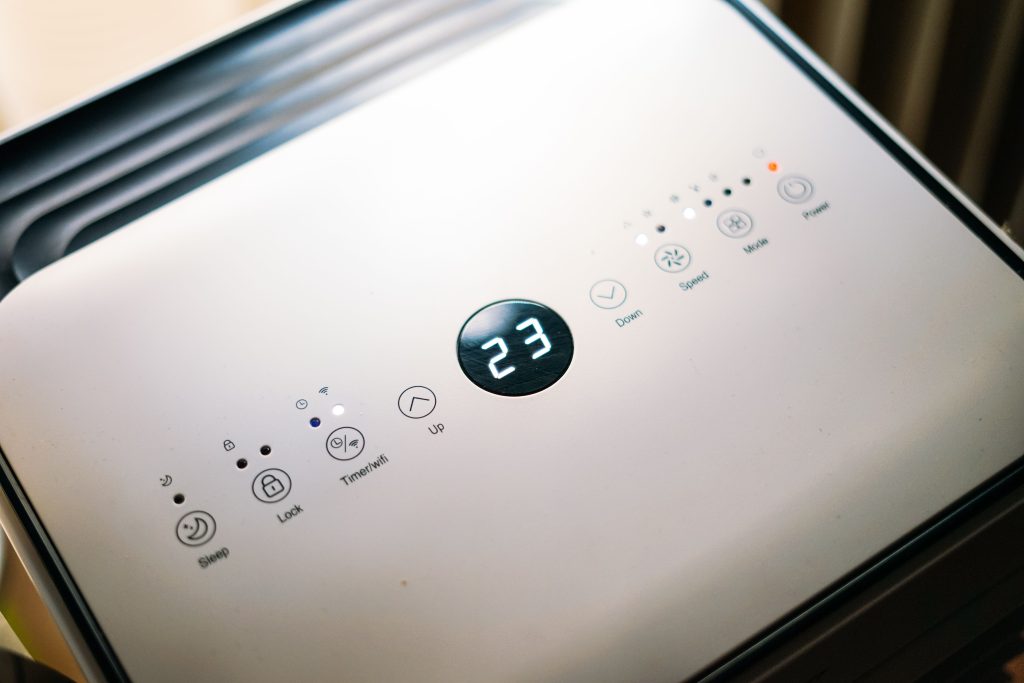
A dehumidifier removes moisture from the air. It can be a useful addition when indoor humidity remains high or you regularly dry washing inside. It does not provide fresh air, and it does not repair a leak, damaged gutter or a cold bridge.
For a heated flat, a compact compressor model such as the MeacoDry Arete One 12L is worth considering. If you have more space or heavier laundry demands, compare the larger models before choosing. Meaco lists a laundry mode and automatic humidity control for the One 12L. See its manufacturer specifications.
Product next step: Check the Arete One 12L price and availability at Meaco (paid link)
Prefer to compare sellers? Check the same model and current buyer reviews on Amazon UK (paid link)
Use the readings to judge progress
Try a manageable humidity target within your appliance’s instructions, then watch what changes. Meaco commonly recommends starting around 50–55% relative humidity for general use. Very cold glass can still show condensation at lower indoor humidity, so repeatedly lowering the target is not always the right answer. See Meaco’s advice on choosing and using a dehumidifier.
Keep notes on the amount of window moisture and how often the machine runs. This gives you a more useful result than judging success by a full water tank alone.
If a damp patch persists, worsens after rain or keeps returning, investigate the building or plumbing. If you rent, report persistent damp and mould to your landlord. Buying an appliance should not delay dealing with the source.
Your next step
Check the glass, look for moisture patterns and keep ventilation working. If excess indoor humidity is part of the problem, compare five dehumidifier options. Choose around your room temperature and moisture load, then use your readings to see whether it helps.
Before choosing, calculate running costs and check common setup mistakes.
Frequently Asked Questions
It may reduce condensation caused by excess indoor moisture. It cannot guarantee clear glass in every temperature or fix failed glazing.
No. Keep your home’s designed ventilation functioning. Follow the appliance instructions when planning a focused laundry session.
Check extraction data and the layout first. A machine in one room cannot promise equal humidity control behind closed doors throughout the property.